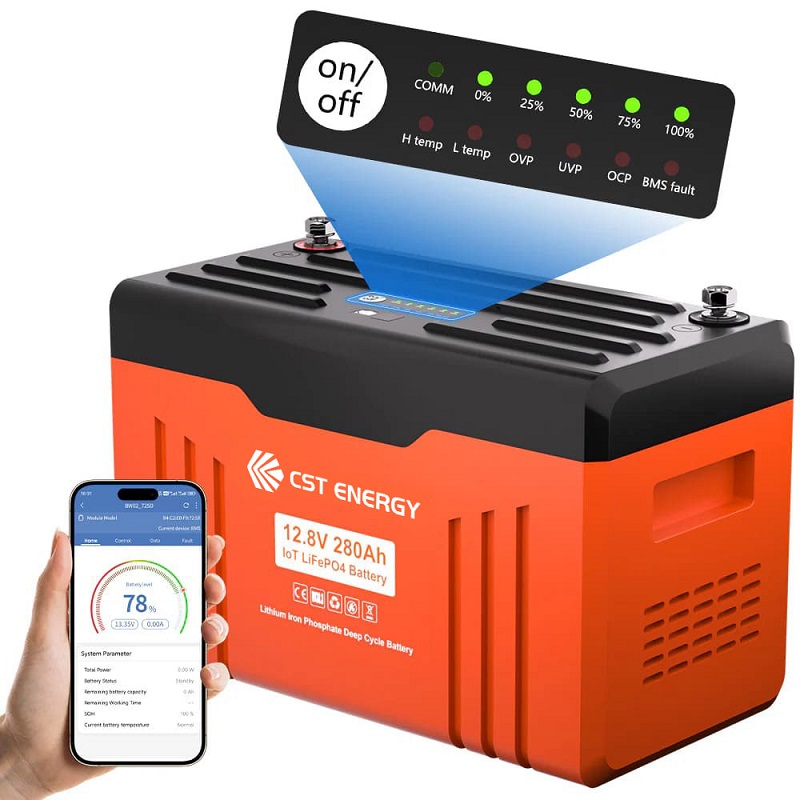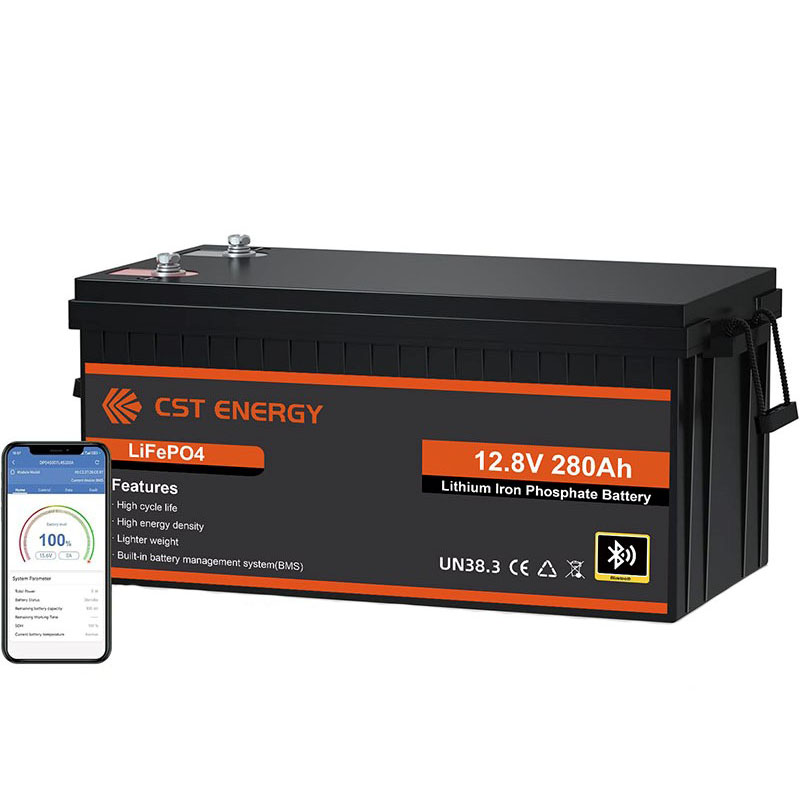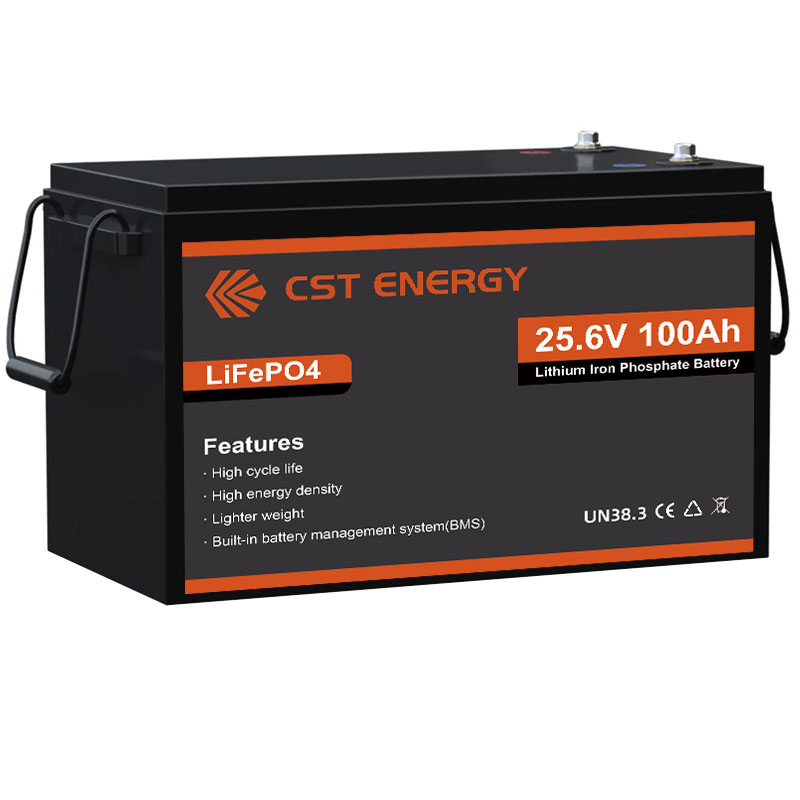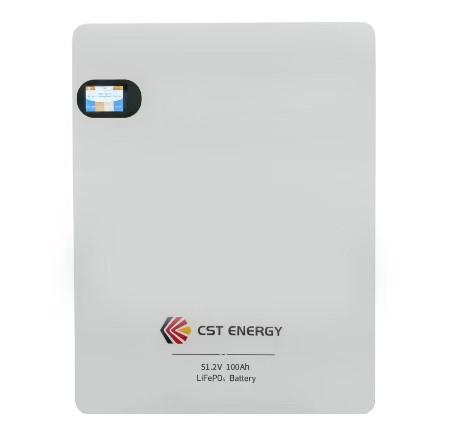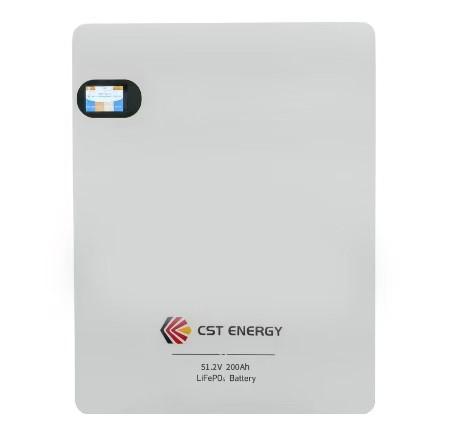
April 10, 2026 – Southeast Asia is located in tropical and subtropical regions, where climatic characteristics such as high temperature and humidity, heavy rainfall, typhoons, and corrosive salt spray in coastal areas have become core challenges to the normal operation and lifespan of battery energy storage systems (BESS). When batteries operate in such harsh environments for a long time, problems such as poor heat dissipation of battery cells, moisture damage to circuits, and corrosion of components are prone to occur, which directly affect the operational efficiency and safety performance of energy storage systems, and even significantly shorten battery lifespan.
As a professional brand deeply rooted in the Southeast Asian energy storage market, CST ENERGY has extensive experience operating in core markets including the Philippines, Vietnam, and Thailand, with an in-depth understanding of the regional climatic characteristics and pain points in battery usage. All our lithium iron phosphate (LiFePO4) energy storage batteries are custom-designed with exclusive protection for Southeast Asia’s climate. To help end users, installers and distributors maintain energy storage batteries scientifically and maximize the value of the system, we specially launch this Southeast Asia Climate-Tailored BESS Daily Maintenance Guide, which comprehensively explains key battery maintenance points from the perspectives of climatic impacts, core principles, scenario-based operations, and brand-exclusive support.
I. CORE IMPACTS OF SOUTHEAST ASIA’S CLIMATE ON ENERGY STORAGE BATTERIES
To carry out effective maintenance, it is first necessary to clarify the specific impacts of the climate on batteries, so as to take targeted measures. The common climatic issues in the Philippines, Vietnam, Thailand and other countries mainly affect energy storage batteries in three aspects:
1. Prolonged high temperature and humidity: The annual average temperature ranges from 25℃ to 35℃, with the maximum temperature exceeding 40℃ in some areas in summer, coupled with air humidity above 70%. This easily leads to overheating of battery cells and a decline in charge-discharge efficiency; at the same time, moisture penetrating into the equipment can cause circuit oxidation and short circuits of circuit boards, increasing potential safety hazards.
2. Heavy rainfall and typhoons: The rainy season brings frequent heavy rains and typhoons, which are likely to cause waterlogging and water ingress in the installation areas of energy storage equipment. In addition, frequent power outages and restorations caused by unstable power supply will subject batteries to repeated fast charging and shallow charging, damaging the activity of battery cells.
3. Coastal salt spray corrosion: In coastal areas such as the Philippines, southern Vietnam and eastern Thailand, salt spray in the air will adhere to battery casings and terminal blocks, causing corrosion of metal components and poor contact, which affects the normal communication and power supply of the system.
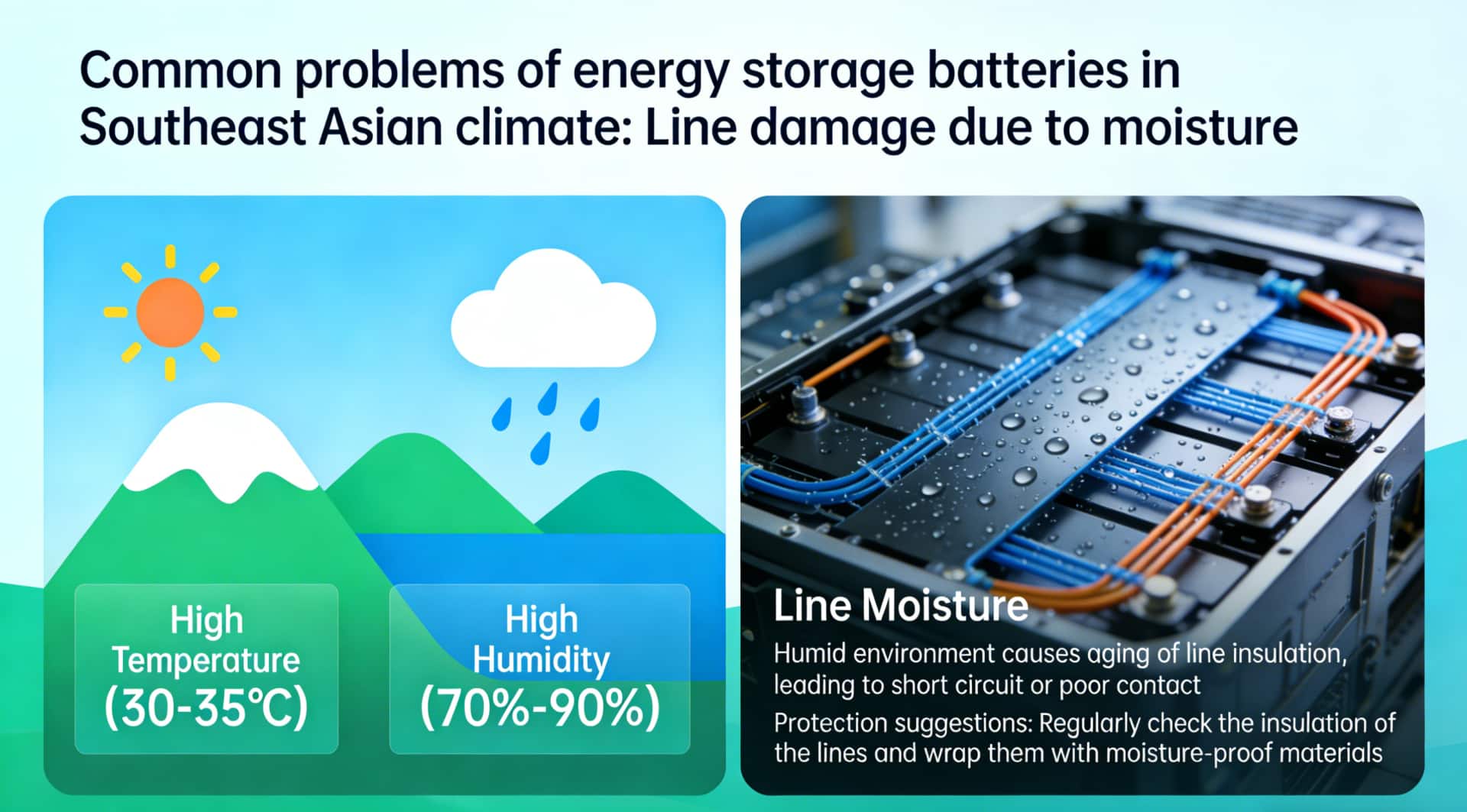
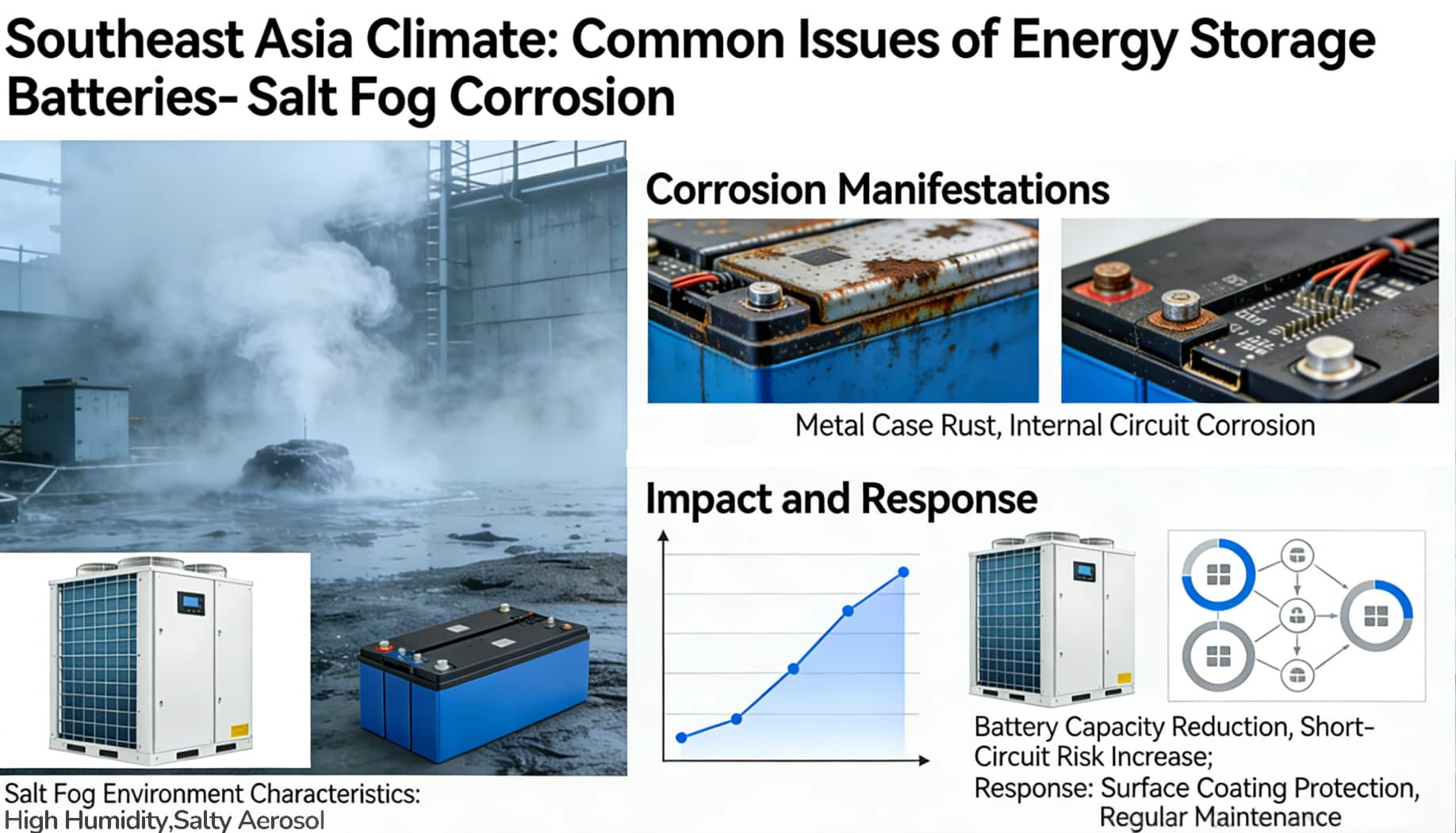
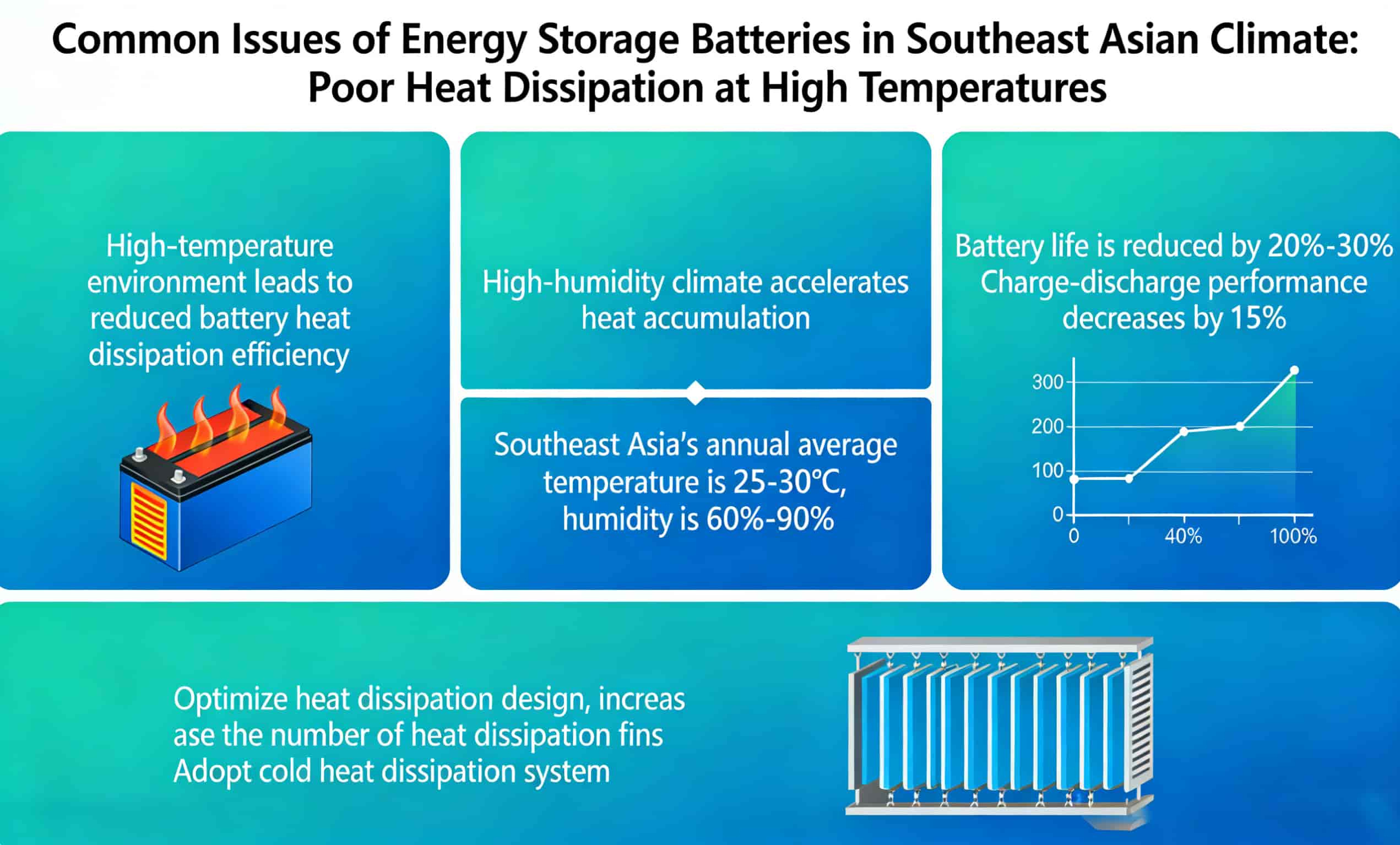
Figure: Common Problems of Energy Storage Batteries in Southeast Asia’s Climate (Poor heat dissipation at high temperatures / Circuit moisture damage / Salt spray corrosion)
II. THREE CORE PRINCIPLES OF BATTERY MAINTENANCE IN SOUTHEAST ASIA’S CLIMATE
Combined with regional climatic characteristics, the daily maintenance of energy storage batteries does not need to be overly complicated. By following three core principles, more than 80% of common problems can be avoided, and battery lifespan can be effectively extended. (The designed lifespan of CST LiFePO4 batteries is more than 10 years, and stable operation for a longer time can be achieved with scientific maintenance.)
(1)Temperature and Humidity Control as the Core
Prioritize ensuring that the temperature and humidity of the battery operating environment are within a reasonable range, which is the foundation for avoiding battery cell aging and circuit failures.
(2)Protection against Rain, Salt Spray and Waterlogging
In response to problems such as rainfall, typhoons and salt spray, take physical protection measures for the equipment to prevent water and salt spray from coming into contact with the core components of the battery from installation to use.
(3) Gentle Charging/Discharging + Regular Inspection
Avoid overcharging and over-discharging of batteries, and detect potential problems in a timely manner through regular inspections to troubleshoot and solve problems early, preventing minor issues from evolving into equipment failures.
III. SCENARIO-BASED BESS MAINTENANCE GUIDE
This guide is divided into simple daily maintenance for end users, professional regular maintenance for installers and special maintenance for extreme climatic conditions, taking into account the convenience and professionalism of operation, and adapting to the needs of different user groups in Southeast Asia.
(1) Simple Daily Maintenance for End Users (Daily/Weekly Operation, No Professional Skills Required)
For household energy storage users and small commercial and industrial energy storage users in the Philippines, Vietnam and Thailand, the guide focuses on simple and easy-to-operate maintenance actions with short time consumption and quick results. The core is to effectively control the daily environment and usage habits.
1. Environmental Inspection (Once a day, completed in 1 minute)
Check whether the battery cabinet/installation area is well-ventilated and the heat dissipation ports are unobstructed by sundries (CST battery cabinets are equipped with exclusive heat dissipation design, do not block the ventilation grilles).
Check whether there is waterlogging or water seepage in the installation area. For indoor installation, keep the room ventilated; for outdoor installation, confirm that the rain cover is intact and not falling off.
2. Usage Habits (Full-process control to reduce battery cell damage)
Avoid overcharging and over-discharging of the battery: Through the CST exclusive intelligent monitoring APP, control the battery charge-discharge range at 20%-90% (the APP can set automatic start and stop without manual operation), and avoid long-term standing in a full-charge state or a low-charge state.
Reduce high-power usage during grid fluctuations: The power grid is prone to frequent outages during typhoons and heavy rains. At this time, avoid turning on high-power electrical appliances such as air conditioners and induction cookers at the same time to prevent instantaneous high-current discharge of the battery and damage to battery cells.
3. Surface Cleaning (Once a week, completed in 5 minutes)
Wipe the battery cabinet casing and display screen with a dry soft cloth to remove dust and oil stains, ensuring good heat dissipation and clear screen display.
Coastal users can gently wipe the outside of terminal blocks with a dry non-woven fabric every week (do not touch the internal circuits) to remove white powder attached by salt spray.
4. Intelligent Monitoring (Real-time viewing, early warning for abnormalities)
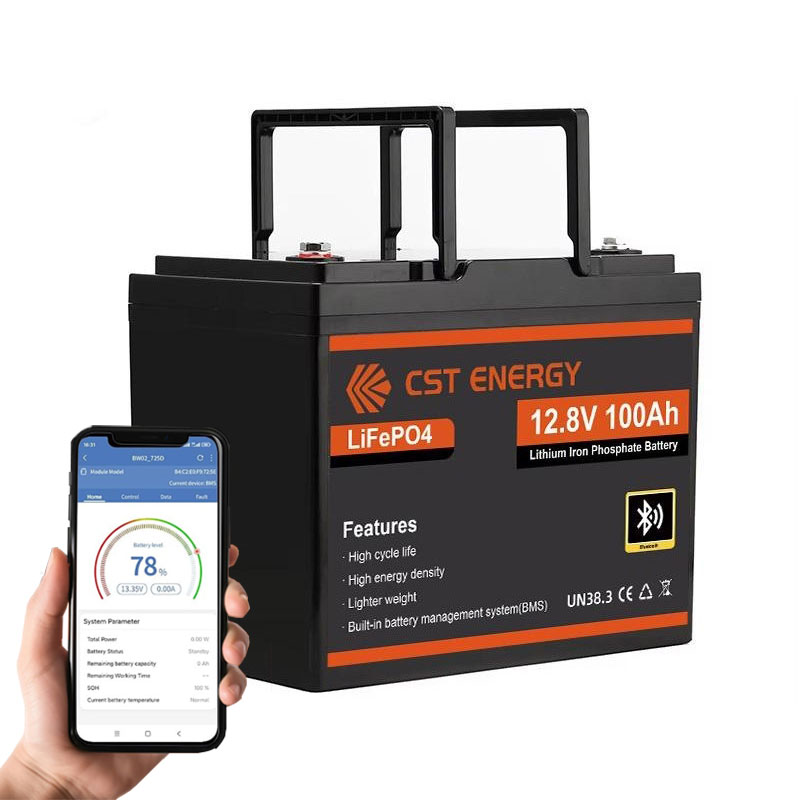
Open the CST mobile app to view the battery’s operating temperature, remaining power, and charge-discharge status in real time. If the APP prompts "high temperature" or "abnormal humidity", immediately turn off high-power loads, keep ventilation, and contact after-sales service if necessary.
(2) Professional Regular Maintenance for Installers (Monthly/Quarterly/Annual, Professional Operation)
For the after-sales maintenance of energy storage system installers and distributors, the guide focuses on professional testing and component maintenance, applicable to the after-sales service of household energy storage and the patrol inspection of commercial and industrial energy storage projects. The core is to detect potential failures in a timely manner, ensure the long-term stable operation of the system, and improve customer experience.
1.Monthly Basic InspectionElectrical connection inspection: Check whether the battery terminal blocks and cable connectors are fastened, and whether there is loosening, overheating or oxidation with an insulated wrench. If oxidation is found, clean it with a special rust remover and apply anti-oxidation grease (CST provides supporting maintenance consumables).
2.Protection component inspection: Check whether the rainproof sealing strips and cooling fans of the battery cabinet are working normally. Replace aging and cracked sealing strips in a timely manner, and clean or repair stuck fans immediately.
3.Quarterly In-Depth MaintenanceInternal dehumidification and cleaning: Turn off the power and open the battery cabinet door, dehumidify the inside with an industrial dehumidifier for 15-20 minutes; clean the internal dust with compressed air (low pressure to avoid damaging components), focusing on the heat sinks and circuit boards.
4.Charge-discharge performance testing: Test the battery’s charge-discharge efficiency and the voltage consistency of single battery cells with professional equipment. If the voltage deviation of single cells exceeds 50mV, perform balanced charging in a timely manner (CST energy storage systems are equipped with an intelligent balancing function that can be operated remotely).
5.Grounding and insulation testing: Test the grounding resistance and insulation resistance of the battery system to ensure compliance with local electrical safety standards in Southeast Asia (Thailand TISI, Vietnam TCVN, Philippines PESO) and avoid electric leakage hazards.
6.Annual Comprehensive Patrol InspectionAging inspection of core components: Check the operating parameters of battery cells, inverters and Battery Management System (BMS), compare with the factory standards, and troubleshoot and replace aging components in a timely manner.
7.Upgrade of protection system: For users in coastal areas, add anti-salt spray coating to the outside of the battery cabinet; install dehumidifiers for indoor battery cabinets to improve long-term protection capabilities.
8.System firmware upgrade: Upgrade the firmware of the BMS and inverter of the CST energy storage system to unlock the latest energy-saving and protection functions and improve the operational efficiency of the system.
9.Monthly Basic InspectionElectrical connection inspection: Check whether the battery terminal blocks and cable connectors are fastened, and whether there is loosening, overheating or oxidation with an insulated wrench. If oxidation is found, clean it with a special rust remover and apply anti-oxidation grease (CST provides supporting maintenance consumables).
10.Protection component inspection: Check whether the rainproof sealing strips and cooling fans of the battery cabinet are working normally. Replace aging and cracked sealing strips in a timely manner, and clean or repair stuck fans immediately.
11.Quarterly In-Depth MaintenanceInternal dehumidification and cleaning: Turn off the power and open the battery cabinet door, dehumidify the inside with an industrial dehumidifier for 15-20 minutes; clean the internal dust with compressed air (low pressure to avoid damaging components), focusing on the heat sinks and circuit boards.
12.Charge-discharge performance testing: Test the battery’s charge-discharge efficiency and the voltage consistency of single battery cells with professional equipment. If the voltage deviation of single cells exceeds 50mV, perform balanced charging in a timely manner (CST energy storage systems are equipped with an intelligent balancing function that can be operated remotely).
13.Grounding and insulation testing: Test the grounding resistance and insulation resistance of the battery system to ensure compliance with local electrical safety standards in Southeast Asia (Thailand TISI, Vietnam TCVN, Philippines PESO) and avoid electric leakage hazards.
14.Annual Comprehensive Patrol InspectionAging inspection of core components: Check the operating parameters of battery cells, inverters and Battery Management System (BMS), compare with the factory standards, and troubleshoot and replace aging components in a timely manner.
15.Upgrade of protection system: For users in coastal areas, add anti-salt spray coating to the outside of the battery cabinet; install dehumidifiers for indoor battery cabinets to improve long-term protection capabilities.
16.System firmware upgrade: Upgrade the firmware of the BMS and inverter of the CST energy storage system to unlock the latest energy-saving and protection functions and improve the operational efficiency of the system.
(3) Special Maintenance for Extreme Climatic Conditions (Rainy Season/Typhoon Season/Heat Wave Season, Targeted Measures)
Combined with Southeast Asia’s climatic cycle (May to October every year is the rainy/typhoon season, and March to April and November are the heat wave seasons), special protection and maintenance are essential, which is a key link to extend battery lifespan. All regions in the Philippines, Vietnam and Thailand can adjust the operation nodes according to local climatic time.
1.Special Maintenance for Heat Wave Season (High Temperature Period)
• Install a sunshade for outdoor battery cabinets (avoid direct sunlight, which can reduce the battery operating temperature by 3-5℃).
• If the battery operating temperature exceeds 40℃ for a long time, add industrial fans in the installation area for forced ventilation and heat dissipation to prevent aging of battery cells due to high temperature.
• Reduce high-power charging and discharging at noon, and try to charge in the morning and evening to avoid the high-temperature peak.
2.Special Maintenance for Rainy Season/Typhoon
• SeasonPre-typhoon protection: Check whether the rain cover and fixed brackets of the battery cabinet are firm; seal the wiring ports of outdoor battery cabinets with waterproof tape, disconnect non-essential external circuits to prevent water backflow caused by typhoons.
• Post-rain inspection: Immediately check whether there is waterlogging in the installation area and water seepage inside the battery cabinet after rain. If water seepage is found, turn off the power immediately, open the cabinet door for dehumidification, and contact after-sales service to troubleshoot the water leakage point.
• Operation after grid restoration: When the power grid is restored after a typhoon, first check the battery status through the APP, and gradually turn on the load after the battery temperature and humidity return to normal to avoid instantaneous high-current charging.
3.Special Maintenance for Coastal Salt Spray Season
• Install anti-salt spray filters for battery cabinets and replace them monthly to reduce salt spray from entering the equipment.
• Spray the outside of the battery cabinet and terminal blocks with a special anti-salt spray agent every half a month to form a protective film and prevent corrosion.
• For indoor battery cabinets, close the windows facing the sea and turn on air purifiers to reduce the concentration of salt spray in the room.
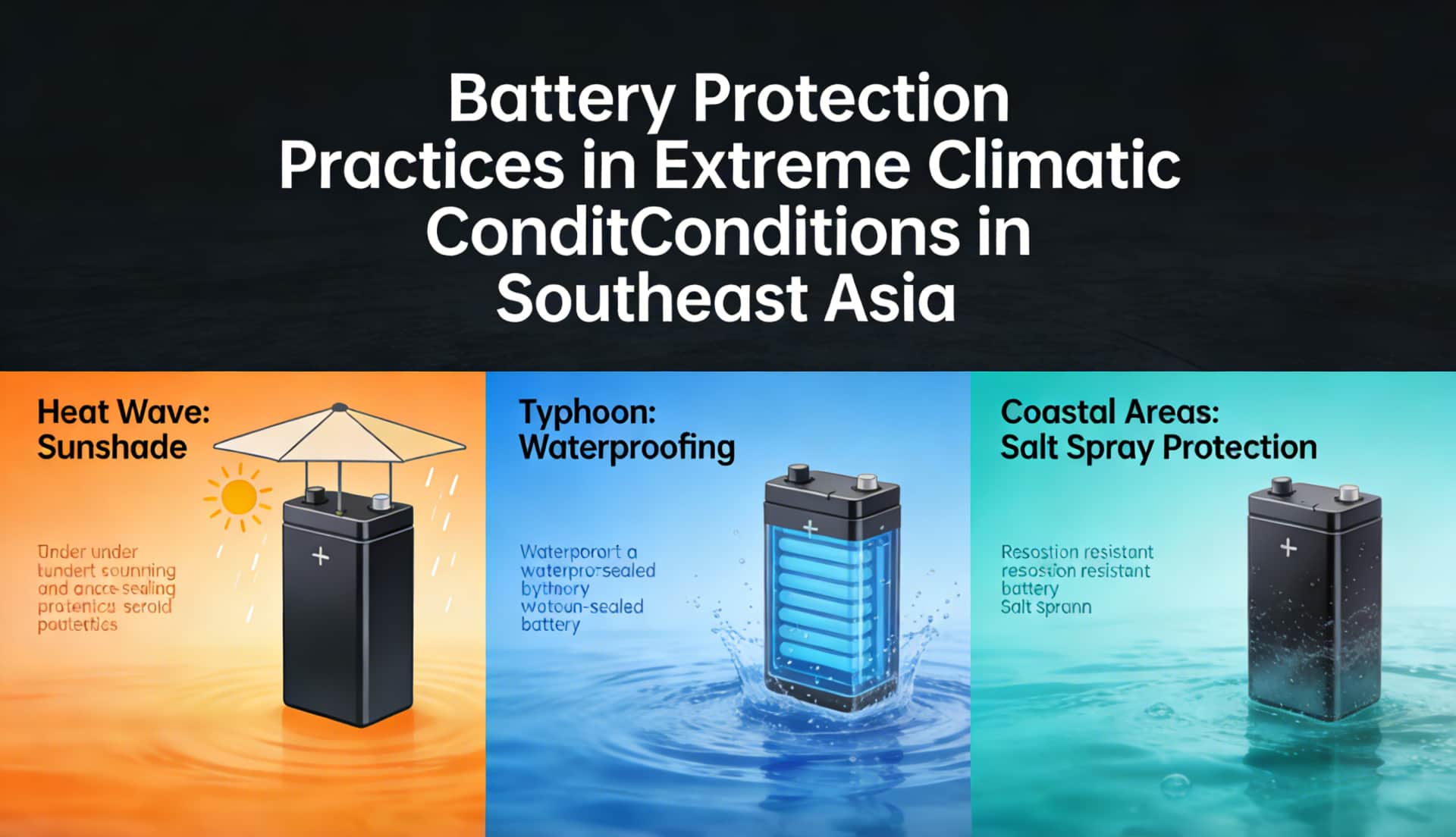
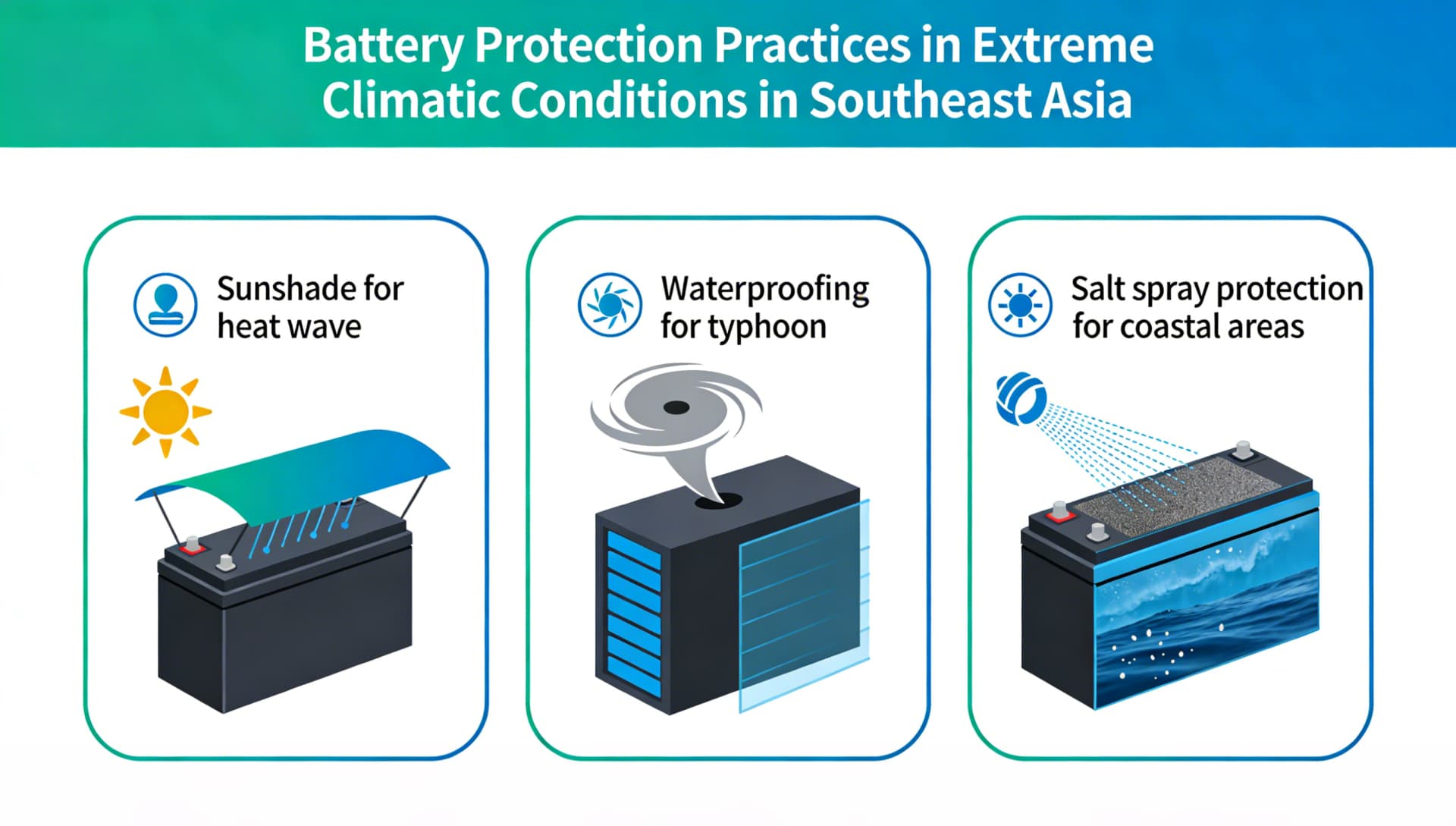
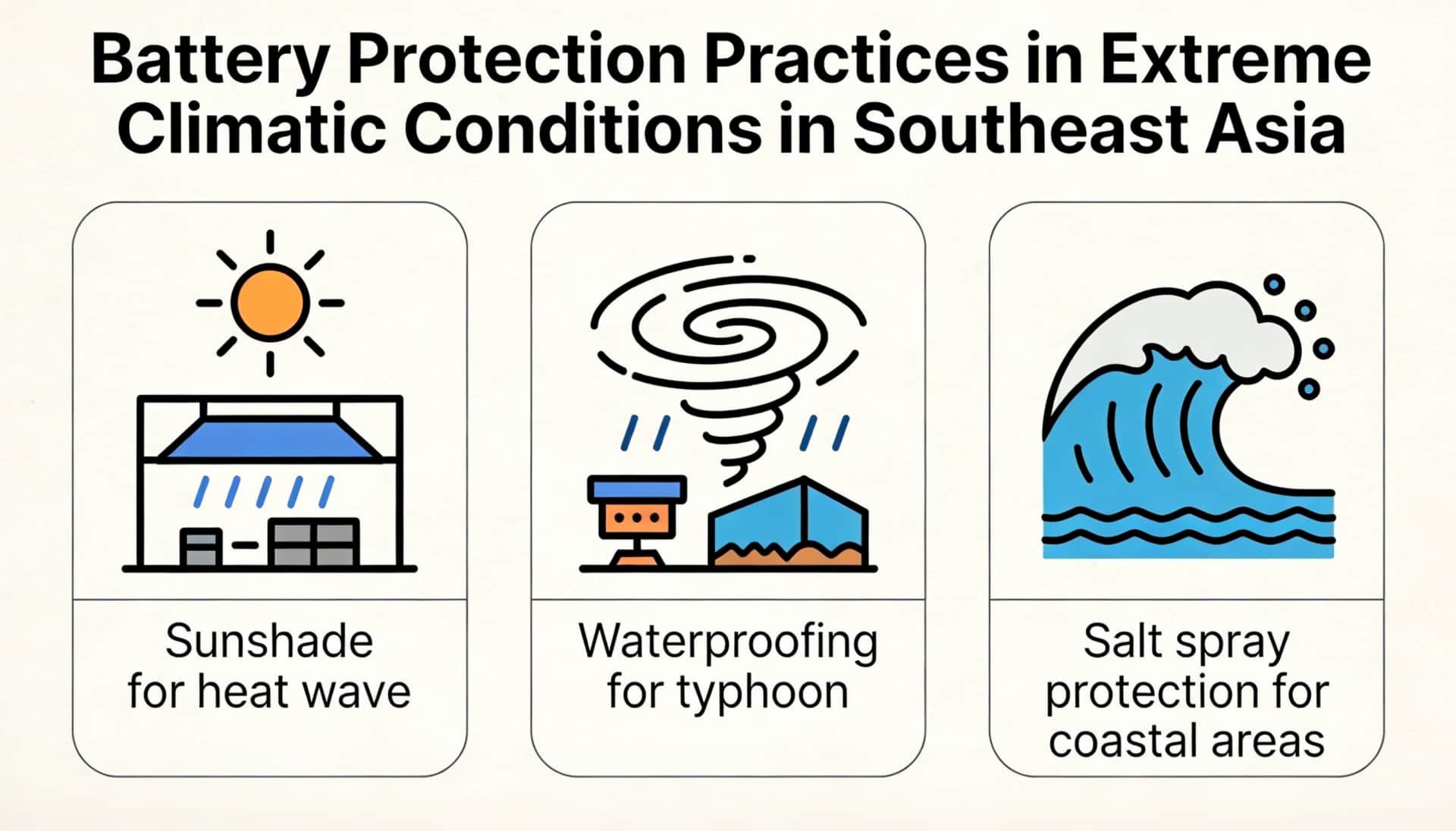
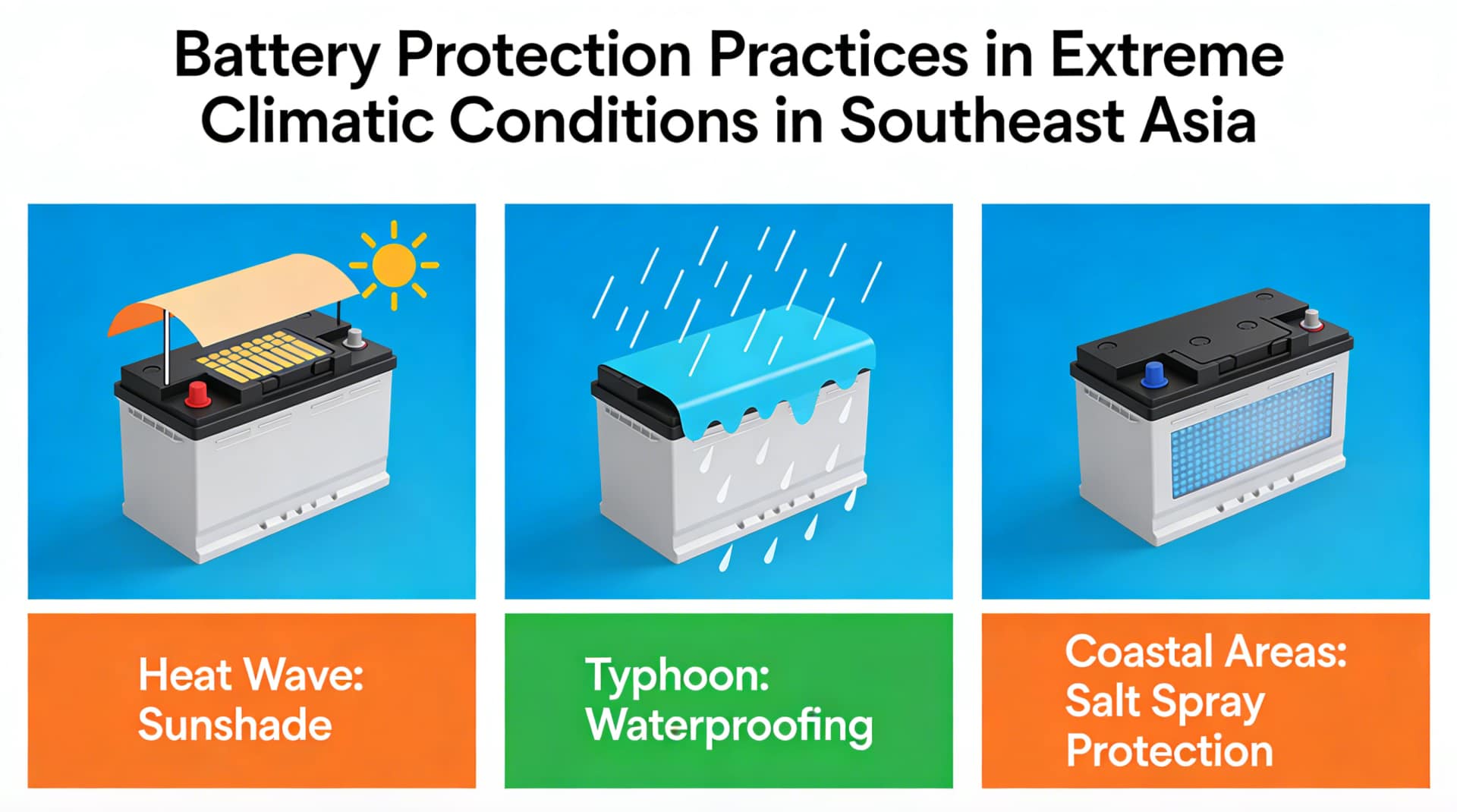
Figure: Battery Protection Practices in Extreme Climatic Conditions in Southeast Asia (Sunshade for heat wave / Waterproofing for typhoon / Salt spray protection for coastal areas)
IV. CST ENERGY EXCLUSIVE PRODUCT PROTECTION AND MAINTENANCE SUPPORT
Deeply rooted in the Southeast Asian energy storage market, all CST ENERGY LiFePO4 energy storage batteries are designed with customized original protection against high temperature, high humidity and salt spray, reducing maintenance difficulty from the product side; at the same time, we have established a localized after-sales maintenance system covering the Philippines, Vietnam and Thailand, providing customers with full-life-cycle maintenance support to make battery maintenance more worry-free.
(1) Customized Original Product Protection Design, Reducing Maintenance Needs from the Source
• High temperature-resistant battery cells and heat dissipation system: Adopt high heat-resistant LiFePO4 battery cells with an operating temperature range of -20℃~60℃, suitable for the high-temperature environment in Southeast Asia; the battery cabinet is equipped with adual-air-channel intelligent heat dissipation system that can automatically adjust the fan speed according to the temperature to ensure the constant temperature operation of battery cells.
• IP65 waterproof, dustproof and anti-salt spray rating: All battery cabinets reach the IP65 protection rating, with casings made of corrosion-resistant aluminum alloy and internal circuits treated with three-proof coating, effectively isolating rainwater, dust and salt spray, and no additional protection is required for outdoor installation.
• Intelligent Battery Management System (BMS): Built-in exclusive algorithm adapted to Southeast Asia’s climate, which can automatically control the charge-discharge temperature and current to avoid overcharging, over-discharging and high-temperature discharge; at the same time, it provides real-time early warning for abnormalities through the APP to achieve "active protection".
(2) Localized Maintenance Support, Full Regional Coverage and Rapid Response
• 24/7 response from regional service centers: CST has set up localized service centers in Manila (Philippines), Ho Chi Minh City (Vietnam) and Bangkok (Thailand), equipped with professional maintenance engineers and testing equipment. When customers encounter maintenance problems, they can contact us through the official email and customer service hotline, with 24-hour response and on-site service within 48 hours (in core cities).
• Free maintenance training and consumables support: Provide free battery maintenance technical training for cooperative installers and distributors, covering key maintenance points and fault troubleshooting skills in Southeast Asia’s climate; at the same time, provide free maintenance consumables such as anti-oxidation grease, anti-salt spray agent and waterproof tape.
• Full-life-cycle maintenance solutions: Provide customized annual patrol inspection solutions for commercial and industrial energy storage projects, with on-site comprehensive maintenance by CST professional engineers to ensure the long-term stable operation of the projects; provide 3 years of free basic maintenance services for household energy storage users, including monthly remote testing and annual on-site patrol inspection.


Please read on, stay posted, subscribe, and we welcome you to tell us what you think.
Copyright @ 2026 CST battery co.,ltd All Rights Reserved.
Xml
/
Privacy Policy
/
Blog
/
Sitemap
 Network Supported